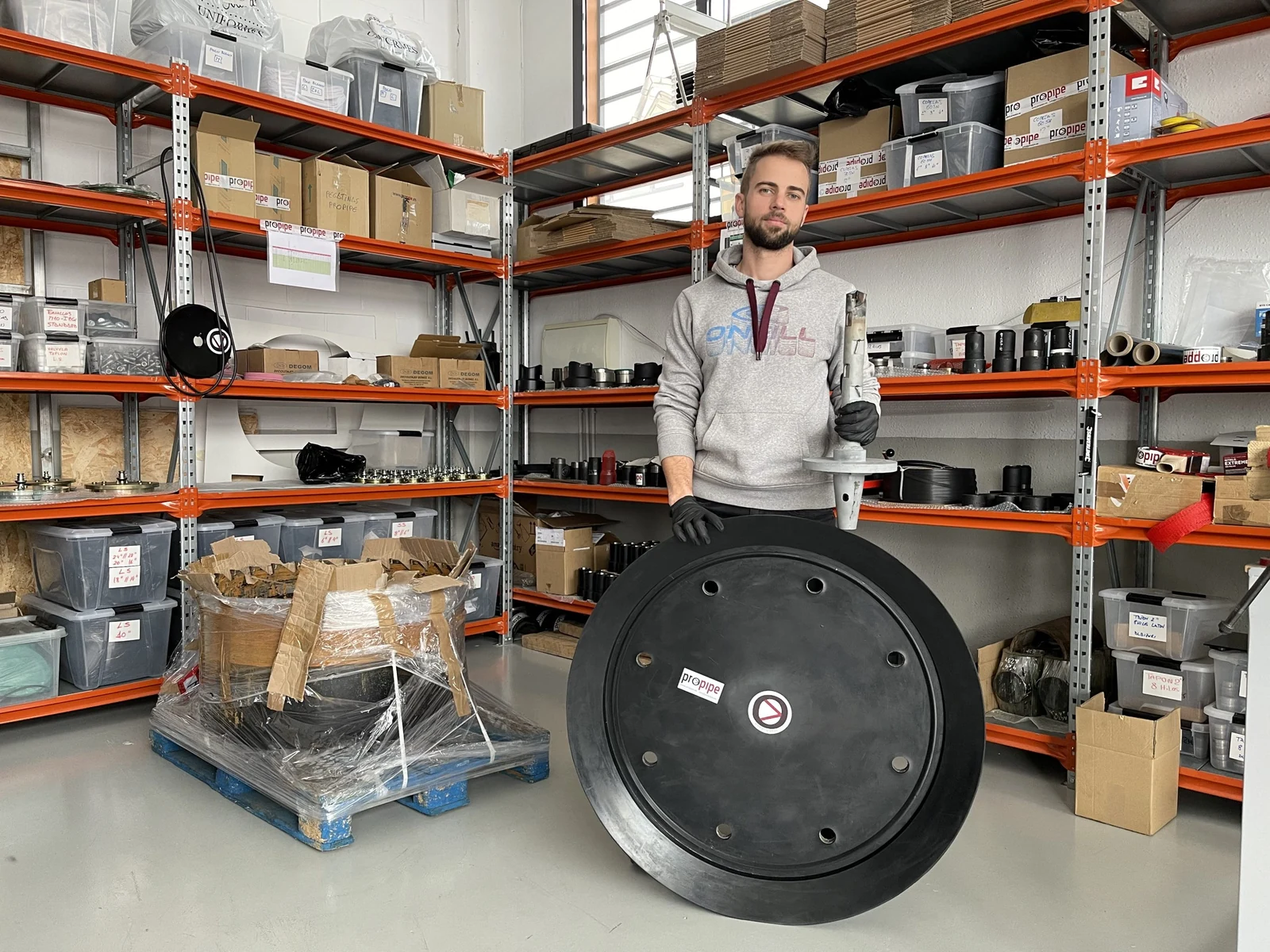
The visible part of a hot tapping tool is often its cutter. The complete tooling decision also includes the pilot drill, the machine connection and the method used to retain the cut section of pipe. These elements should be specified together.

What is the coupon?
The coupon is the section of pipe wall removed to create the opening. It is a curved piece of the original pipe, rather than simply a flat disc. The US EPA’s hot tapping overview describes a pilot drill with a retention device that enables the cut section to be withdrawn through the valve.
This makes recovery part of the tooling specification from the beginning. A discussion limited to cutter diameter can leave unanswered questions about the pilot drill, the retained coupon and the space needed to recover the complete assembly.
Start with the intended opening
Identify why the opening is being created. A branch connection and an opening for a particular line stopping system may impose different requirements. The required opening must be agreed with the equipment supplier; it should not be inferred solely from the nominal size of the pipe or branch.
Provide the pipe material, wall thickness and relevant geometry. Also identify the exact tapping machine and tool connection. Propipe’s cutters and drills range distinguishes standard, line stop, tank and angled applications, which is a useful starting point for defining the enquiry.
Select the cutter and pilot drill as a matched set
The pilot drill has its own dimensions, connection and retention arrangement. Those details need to suit both the cutter and the operation. Request the applicable part references together, including any manufacturer requirements for the assembled tool set.

An existing drill should be identified by its reference and condition, not just its appearance. Where equipment from different sources is proposed, provide drawings and identification details for review. A matching mounting pattern alone does not confirm the behaviour of the complete tooling assembly.
Check access and recovery as well as cutting
The tool package must pass through the selected access arrangement and provide the required travel. The fitting, valve and adapter dimensions all contribute to that assessment. Review the recovery envelope with the coupon retained, rather than considering only an empty cutter.
Angle and tank applications deserve particular attention because their geometry differs from a conventional perpendicular pipe connection. Define the orientation and available space clearly. A site sketch and photographs can help the supplier identify what additional measurements are needed.
Condition and records matter
For tools already in service, establish an inspection and maintenance review before committing them to another project. Keep tool identification and previous repair information with the equipment record. If damage or wear is found, discuss the appropriate repair or replacement route with the supplier.
The project team should also agree how tool condition and coupon recovery will be documented in the job records. The operational procedure, including the response to an abnormal result, belongs to the approved project plan; it should not be improvised from a catalogue description.
A clearer tooling enquiry
A useful enquiry includes the pipe data, intended opening, application geometry, machine reference, valve and adapter details, and coupon recovery requirements. Add inspection information if existing tools will be reused. Contact Propipe to discuss the matched tooling package.
Further reading: US EPA: Pipeline Hot Taps, for the role of the pilot drill, coupon and valve in a hot tap.
Continue reading: Seven engineering questions before a hot tap or line stop. Photographs: Propipe website archive.