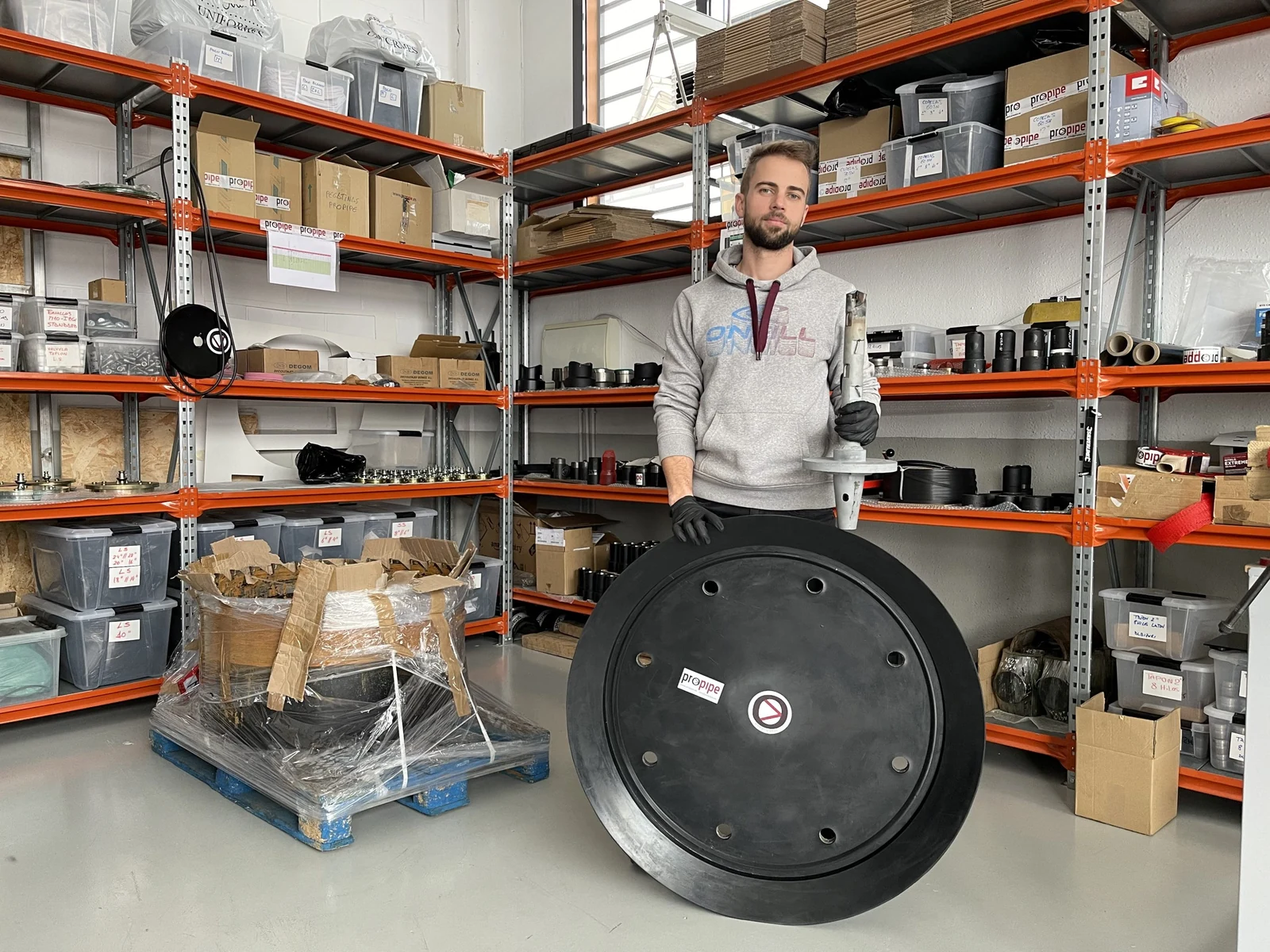
A hot tapping or line stopping project brings together a fitting, valve, machine, cutting tools and, where required, an isolation head. The useful question is not only which component to choose, but how the complete assembly will work on the actual pipeline.

A clear technical brief helps the pipeline operator and equipment supplier discuss the same conditions from the outset. These seven questions provide a practical starting point for that conversation, from the purpose of the intervention to the permanent connection left behind.
1. Are we creating access, isolating a section, or both?
Hot tapping creates an opening into an operating pipeline through a pressure-containing connection. Line stopping uses an isolation device introduced into the pipe to stop flow at a selected location. A hot tap therefore does not, by itself, isolate the main line.
Define the intended result: a new branch, an instrument connection, a valve replacement or a pipe modification. If service must continue around an isolated section, the project team also needs to assess the bypass arrangement and its required capacity. Our introductions to hot tapping and line stopping explain the two functions.
2. What do we know about the existing pipe?
Nominal diameter is a starting point, not a complete pipe description. The assessment also needs the actual outside diameter, wall thickness, material and condition at the proposed location. Internal diameter becomes especially important when selecting a line stop head and its sealing element.
Drawings and records should be supported by the site information required for the project. Corrosion, deposits, ovality, nearby welds and restricted access can affect the proposed arrangement. For a welded fitting, the engineering review must also establish whether in-service welding is suitable for the pipe and operating conditions.
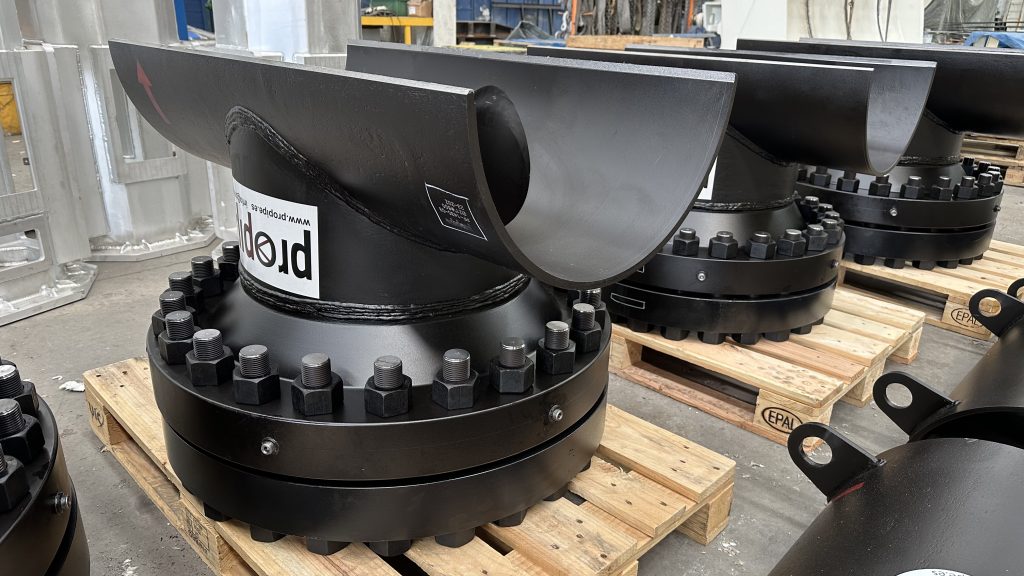
3. Do all components suit the same operating conditions?
Pressure, temperature and process fluid need to be considered together. A pressure-class label is not a universal working pressure, and a maximum value published for a product family does not automatically apply to every size, material or temperature.
Review the selected fitting, valve, machine, adapters and seals as one package. A component’s individual capability does not establish the rating of the assembled system. The project specification should identify the operating envelope and the applicable design and test requirements.
4. Does the assembly fit, and is there enough travel?
Matching flange size alone is not a complete compatibility check. The connection face, bolt pattern, valve opening and adapter geometry all need to suit the chosen equipment. The cutter, pilot drill and recovered coupon must have the clearance required by the planned operation.
The tapping machine must also provide the necessary travel through the complete assembly. Fitting height, valve thickness, adapter length and tool geometry influence that requirement. Installation space and lifting access should be reviewed alongside the equipment drawing, rather than after delivery.
5. Are the cutting tools matched to the application?
Cutter selection depends on more than the pipe’s nominal size. The pipe material and wall thickness, intended opening, machine connection and application geometry all form part of the tooling specification. An angled connection or tank application may require a different arrangement from a conventional pipeline tap.
The pilot drill and coupon-retention arrangement deserve the same attention as the cutter. Specify the cutters and drills as a matched set for the intended equipment and operation, including any line stopping opening requirements.
6. Is the sealing element right for the pipe and fluid?
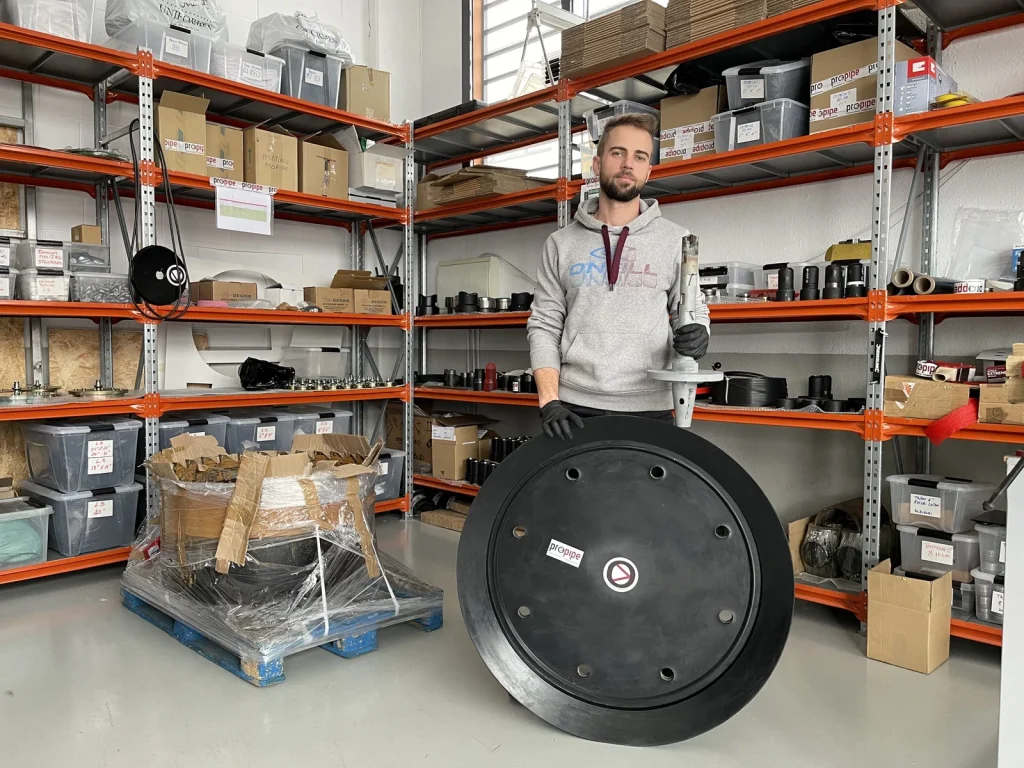
A line stop head and sealing element must suit the pipe’s internal geometry and the specified service. Fluid compatibility, operating temperature, differential pressure and the condition of the sealing surface are relevant to that selection. An elastomer that is appropriate for one duty should not be assumed suitable for another.
Specify the head and sealing element together with the actuator and isolation arrangement. Storage, handling and inspection also matter: the condition of the seal at the time of use is part of the equipment review.
7. What remains after the intervention?
The final configuration should be defined at the design stage. Depending on the application, it may be a permanent branch connection or a fitting closed using the specified completion system. The plug, retention arrangement, sealing components and final closure must match the selected fitting.
Agree the drawings, material records, inspection documents and applicable test requirements with the supplier. For the field work, the operator’s approved procedure must address isolation verification, monitoring and contingency arrangements. This article supports project scoping; it does not replace an engineered work procedure.
Bring the complete application into the conversation
A useful enquiry combines the purpose of the intervention, pipe dimensions and material, operating pressure and temperature, process fluid, available drawings and site photographs. Add any existing equipment references, access constraints, required documentation and target programme.
At Propipe, the discussion can connect equipment selection with service requirements. Contact our team to review your application and the information needed to define the package.
Further reading: The US EPA’s Pipeline Hot Taps overview discusses in-service connections and the existing-pipe conditions to assess. Propipe’s linked product pages provide the relevant equipment-family references. Photographs: Propipe website archive.