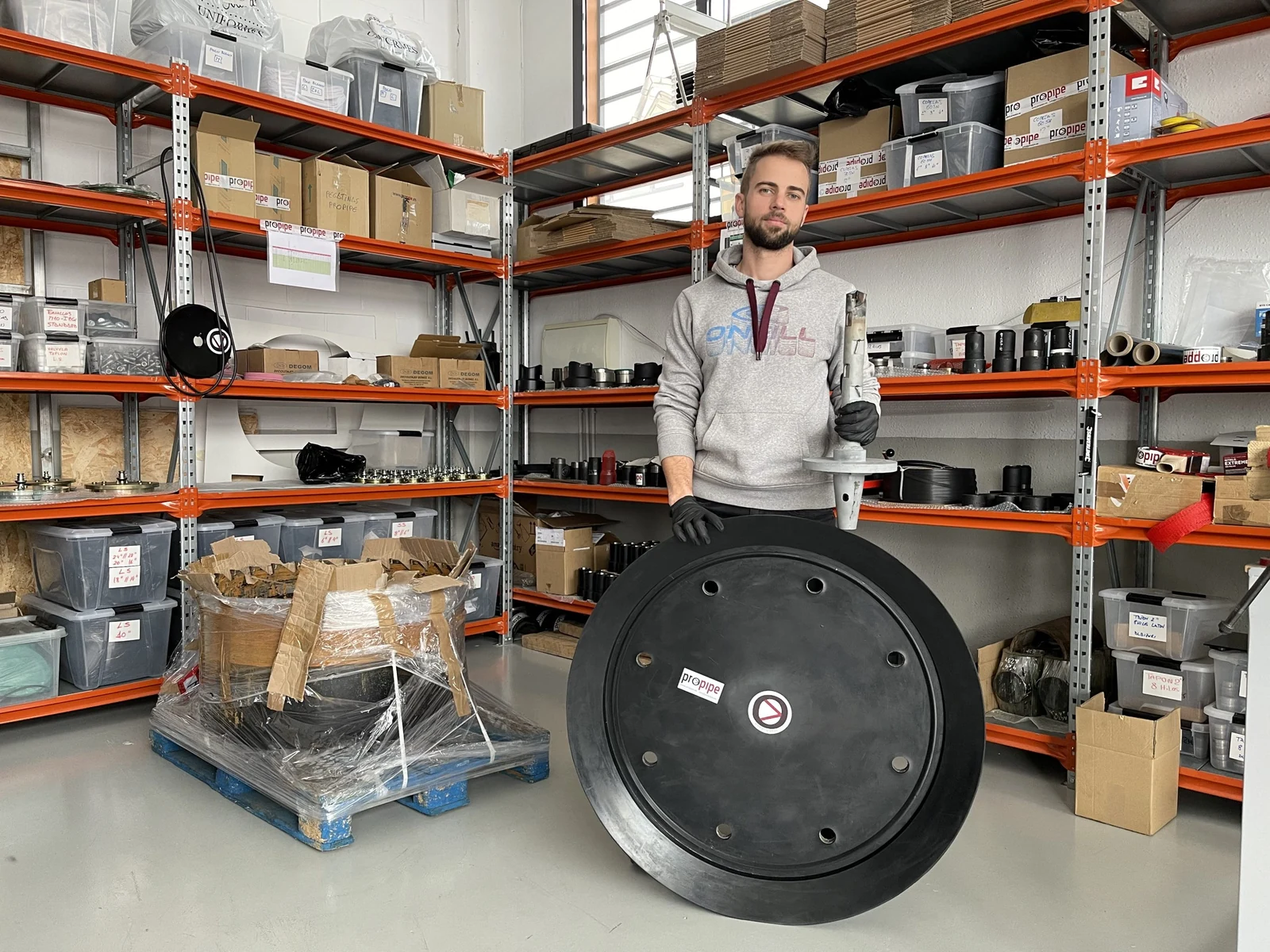
A finished fitting can be inspected visually, but its engineering history is not visible in a photograph. A useful quality review connects the delivered component to its design basis, materials, fabrication records and agreed acceptance requirements.
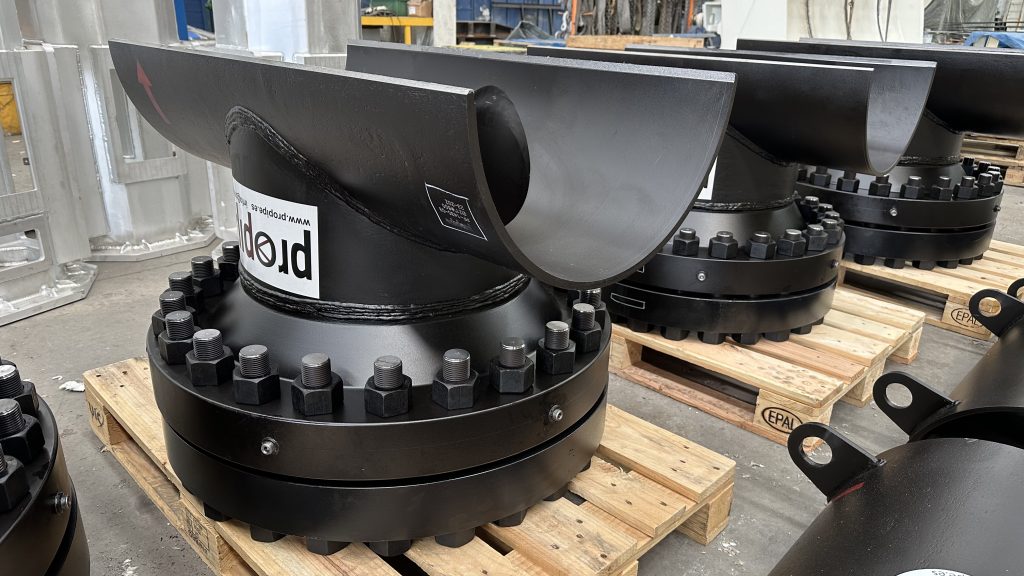
Define the design basis before manufacture
The starting point is the application: pipe geometry and material, branch arrangement, operating conditions, installation method and final completion system. The purchase specification should identify the applicable design requirements and required documentation, including the editions of standards where relevant.
Different references serve different purposes. A flange standard, a material specification and a welding qualification standard do not each establish the suitability of an entire fitting for every application. Ask how the selected requirements apply to the actual component and project.
Connect material records to physical components
Material documentation is useful when it can be linked to the supplied parts. Agree the required certificate type and identification method in the order. The documentation review should be able to follow the relevant material reference from the records to the finished item.
The objective is not simply to accumulate certificates. It is to show which material was used where, and how that material relates to the approved specification. Where parts are cut, formed or machined during production, identification needs to remain traceable through the agreed manufacturing controls.
Distinguish fabrication welding from installation welding
The workshop welds used to manufacture a fitting and the welds used to attach it to an operating pipeline face different circumstances. Their procedures and qualification requirements must be appropriate to their respective duties. ASME Section IX addresses welding qualification when invoked by the applicable code or specification; it is not, by itself, approval of a particular in-service installation.
TWI’s guidance on hot tapping identifies burn-through and hydrogen cracking among the issues requiring assessment for in-service welding. Pipe condition and the operating environment therefore belong in that review. A successful workshop inspection cannot replace assessment of the actual pipeline.
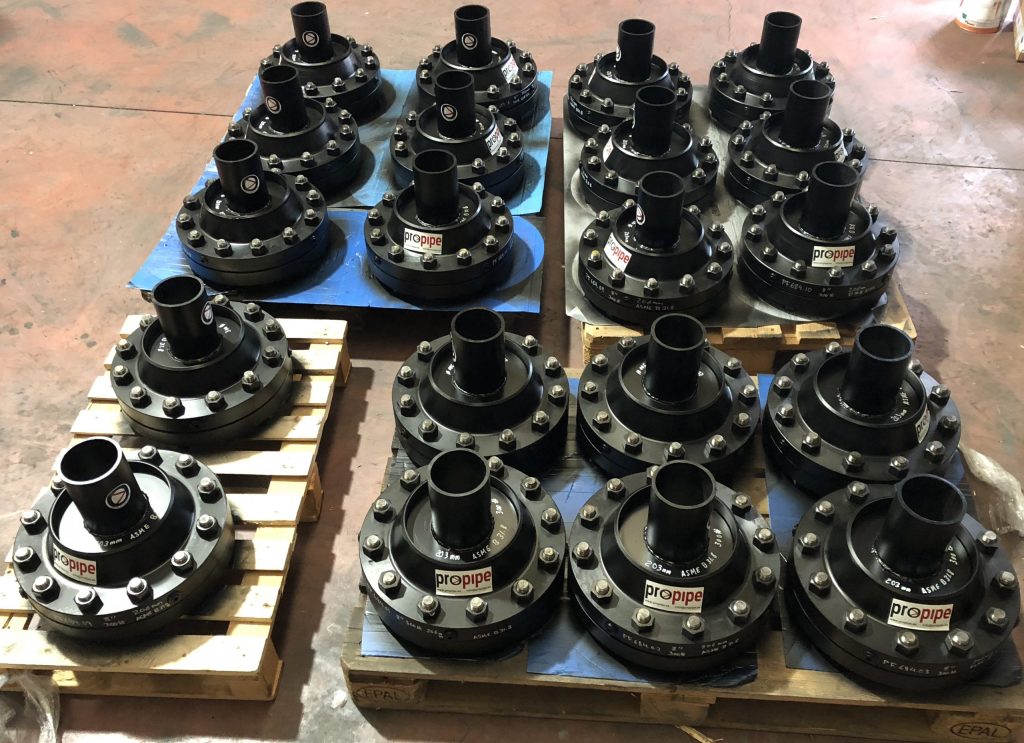
Agree what inspection and testing demonstrate
An inspection and test plan should define the examinations, acceptance criteria, records and any customer witness or hold points that the project requires. Dimensional checks, weld examination and pressure testing answer different questions; one result should not be treated as evidence for every aspect of quality.
For example, a test record should identify the item tested and the applicable procedure and acceptance basis. The project team should be able to connect that record to the delivered component. Test conditions and acceptance requirements must come from the approved specification, rather than an assumed universal value.
Keep the completion system in the quality package
Where the fitting includes a completion plug or retention arrangement, review those parts as part of the supply. Confirm their identity, interfaces and the documentation required for the final configuration. This avoids treating the closure as an unrelated accessory after the main fitting has been manufactured.
Propipe’s fittings page brings together the product families and technical references. The applicable requirements should be agreed for the selected design, rather than copied indiscriminately from a list of possible standards.
Make the handover useful to the operator
A practical handover package lets the operator identify the component, understand its approved duty and find the associated records. Agree the drawing revisions, material evidence, inspection documents and closure details before manufacture begins. Discuss your project specification with Propipe so that the product and its documentation are developed together.
Technical references: ASME Section IX and TWI’s hot tapping overview. The required code, examination scope and acceptance criteria remain project-specific.
Continue reading: Seven engineering questions before a hot tap or line stop. Photographs: Propipe website archive.