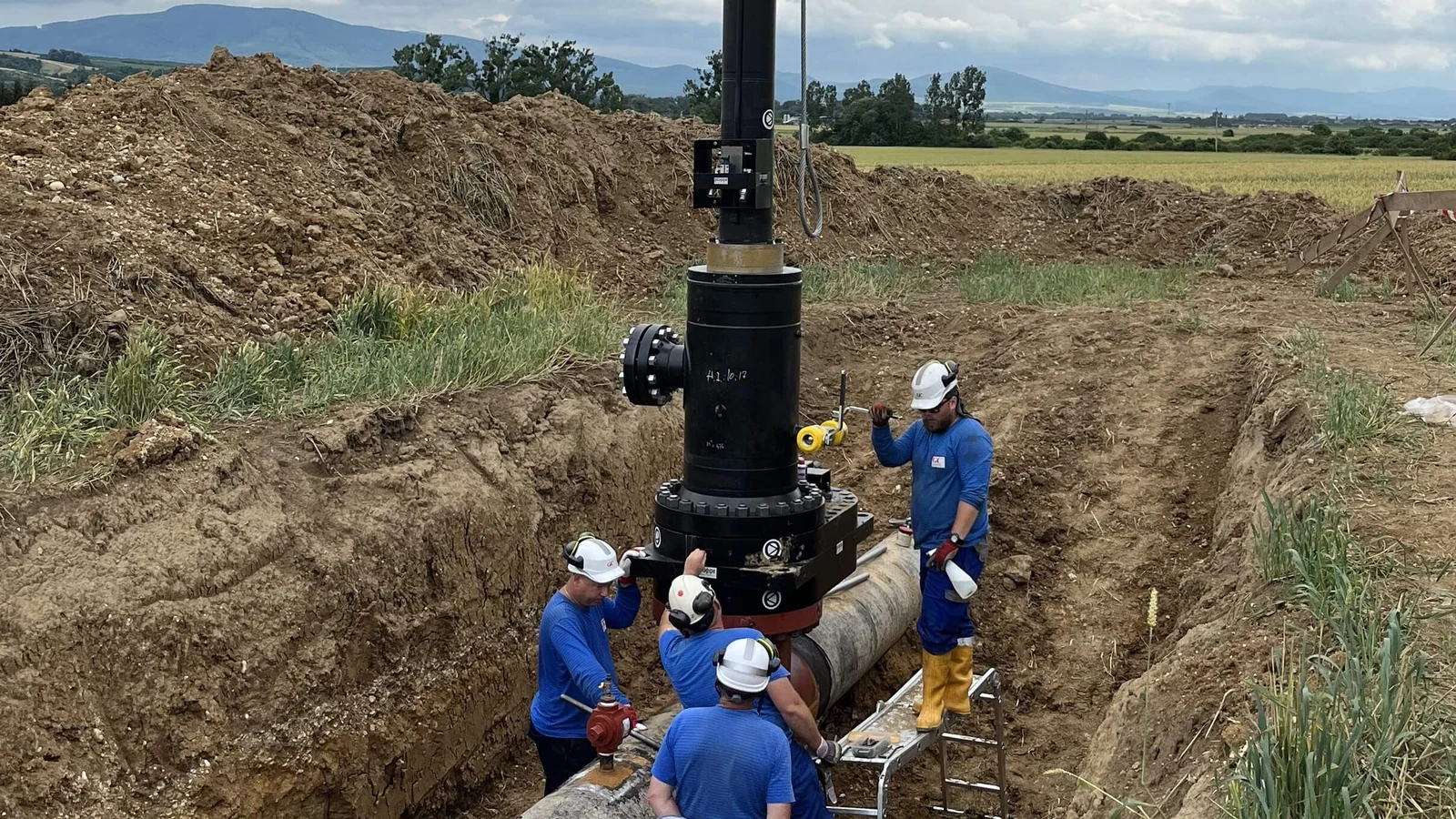
Two components can carry the same nominal size and still be unsuitable for the same intervention. Hot tap equipment compatibility depends on the complete assembly: the fitting, valve, adapter, machine, tools and final closure must work together on the actual pipeline.

A useful way to review a package is to follow its interfaces from the pipe outwards. Each connection introduces a question about geometry, pressure containment or movement. Resolving those questions on a drawing is usually much easier than discovering a mismatch when equipment reaches the site.
Begin with the pipe, not the label
Nominal pipe size is a designation. The fitting must suit the actual pipe outside diameter and the conditions at the installation location. A line stop head and its seal also depend on the internal diameter. Wall thickness, ovality and internal deposits can therefore matter even when two lines share the same nominal size.
For an enquiry, distinguish measured information from assumptions and historical drawings. Identify the material and the proposed branch geometry. The purpose is to give the supplier one consistent description of the line, rather than several documents that quietly refer to different conditions.
A flange connection is more than a bolt circle
Check the applicable flange standard, size, class, facing, gasket arrangement and bolting together. ASME B16.5 covers several of these characteristics within its scope; matching one dimension does not establish that every other interface is suitable. Its class designation must also be interpreted with the material and temperature, rather than read as a pressure value.
A valve that connects to the fitting still needs a suitable clear passage for the selected tools and recovered coupon. Adapters can change the installed height and working envelope. Their contribution belongs in the assembly review alongside the hot tap valve itself.

Review the complete movement envelope
The machine must reach the required cutting position through the fitting, valve and any adapter. It must also retract the tool assembly to the required position. A machine’s published stroke is therefore only part of the comparison: the assembled dimensions and the tool configuration determine whether that travel is useful for the proposed duty.
Ask for a drawing that identifies the relevant reference faces, installed heights and tool positions. Include external space for installation, lifting and removal. This makes the review of the tapping machine more concrete than comparing catalogue size ranges alone.
Compatibility continues through to completion
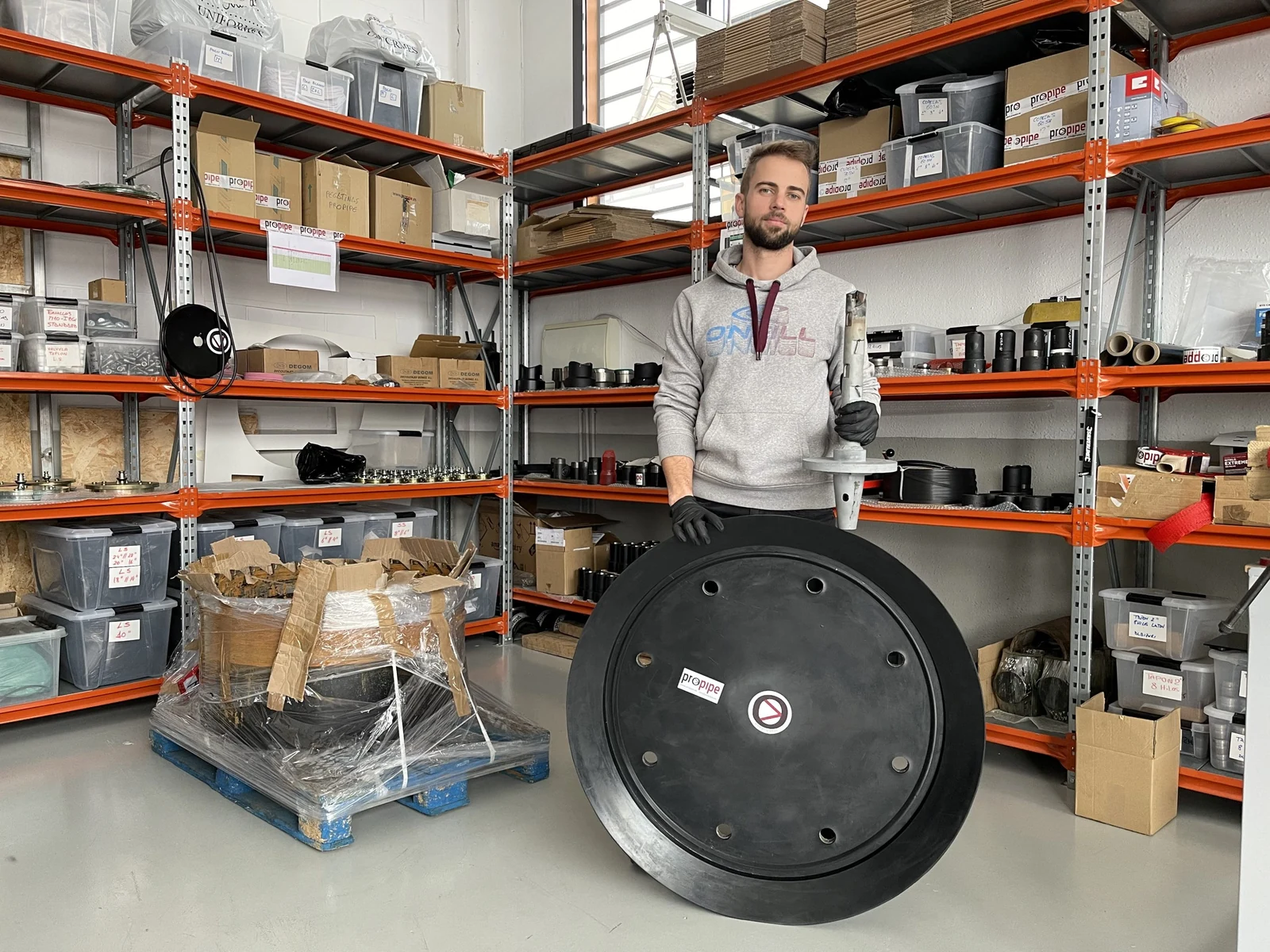
For line stopping, confirm the actuator connection, head arrangement, opening and sealing element as a package. The permanent completion plug must match the specific fitting and retention system. Similar-looking closures should not be treated as interchangeable without the manufacturer’s confirmation.
The same discipline applies to the operating envelope. Pressure, temperature and fluid compatibility must be suitable across the assembled system. Substituting one component should trigger a review of the affected interfaces, drawings and limits.
What to send with an equipment enquiry
Provide the application, pipe data, service conditions, required opening and existing equipment references. Photographs of identification plates and connection faces are useful alongside dimensioned drawings. Ask the supplier to record any assumptions and confirm the proposed assembly, including the completion equipment.
Start with Propipe’s Hot Tap & Line Stop range and send the team your equipment list for a project-specific review.
Technical reference: ASME B16.5 scope. This article explains selection questions; acceptance of an assembly requires the applicable project documentation.
Continue reading: Seven engineering questions before a hot tap or line stop. Photographs: Propipe website archive.