A temporary pipeline bypass gives the product an alternative route around a section under intervention. It can support service continuity during suitable line stopping projects, but its capacity and integration need to be designed around the network’s actual requirements.

Define what continuity means for the customer
Before discussing equipment size, agree the service that must be maintained. Is the target the normal flow, a minimum supply or a temporary operating condition accepted by the operator? Identify the required downstream conditions and how demand may change during the work period.
These questions turn “keep the line running” into a reviewable design brief. They also help distinguish an intervention that can tolerate a planned reduction in service from one requiring the full normal duty throughout the work.
Capacity is a hydraulic question
A bypass with the same nominal diameter as another line is not automatically equivalent in performance. The route length, fittings, valves and fluid conditions influence pressure loss. The engineering assessment should establish the flow that can be delivered while maintaining acceptable conditions at the relevant points in the network.
Consider the expected operating range, not only one steady-state case. Changes in demand and the transfer between flow paths need review within the project’s hydraulic and operating assessment. Where transient behaviour is relevant, it should be addressed by the responsible engineering team.
Coordinate the bypass and isolation layout
The bypass connection points must work with the selected isolation arrangement and the section to be accessed. A clear system drawing should distinguish the live network, alternative flow path and work area. It should also identify the interfaces for the fittings, valves and line stop equipment.
Hot tapping provides a way of creating appropriate connections to an operating line when the application is suitable. It does not establish the isolation boundary by itself. Maintaining customer supply and establishing the conditions required for work on the isolated section are related but separate engineering objectives.

A temporary installation still needs a defined design
Routing, supports, access and mechanical loads deserve attention even if the bypass will be used for a short period. Consider how the temporary equipment fits within the site, how it will be protected and how the installation can be inspected during use.
The package also needs agreed pressure and temperature limits, suitable materials and interfaces, and the required inspection and test documentation. Temporary duty is a description of service duration, not an exemption from the applicable engineering requirements.
Plan the return to the permanent arrangement
Discuss the completion state while the bypass is being designed. Identify which connections remain, how they will be closed or incorporated into the permanent system, and which records the operator needs at handover. The approved work plan should define responsibilities for verification and monitoring, including any contingency arrangements.
This article covers project planning rather than a valve-operating sequence. The detailed method must be developed for the particular network, equipment and work scope.
Bring the network into the equipment discussion
A helpful enquiry includes a system sketch, pipe and fluid data, normal and required temporary flow, pressure and temperature conditions, site restrictions and the planned intervention window. Propipe’s Service Center can discuss the equipment and service requirements associated with the proposed project. Contact our team with your initial brief.
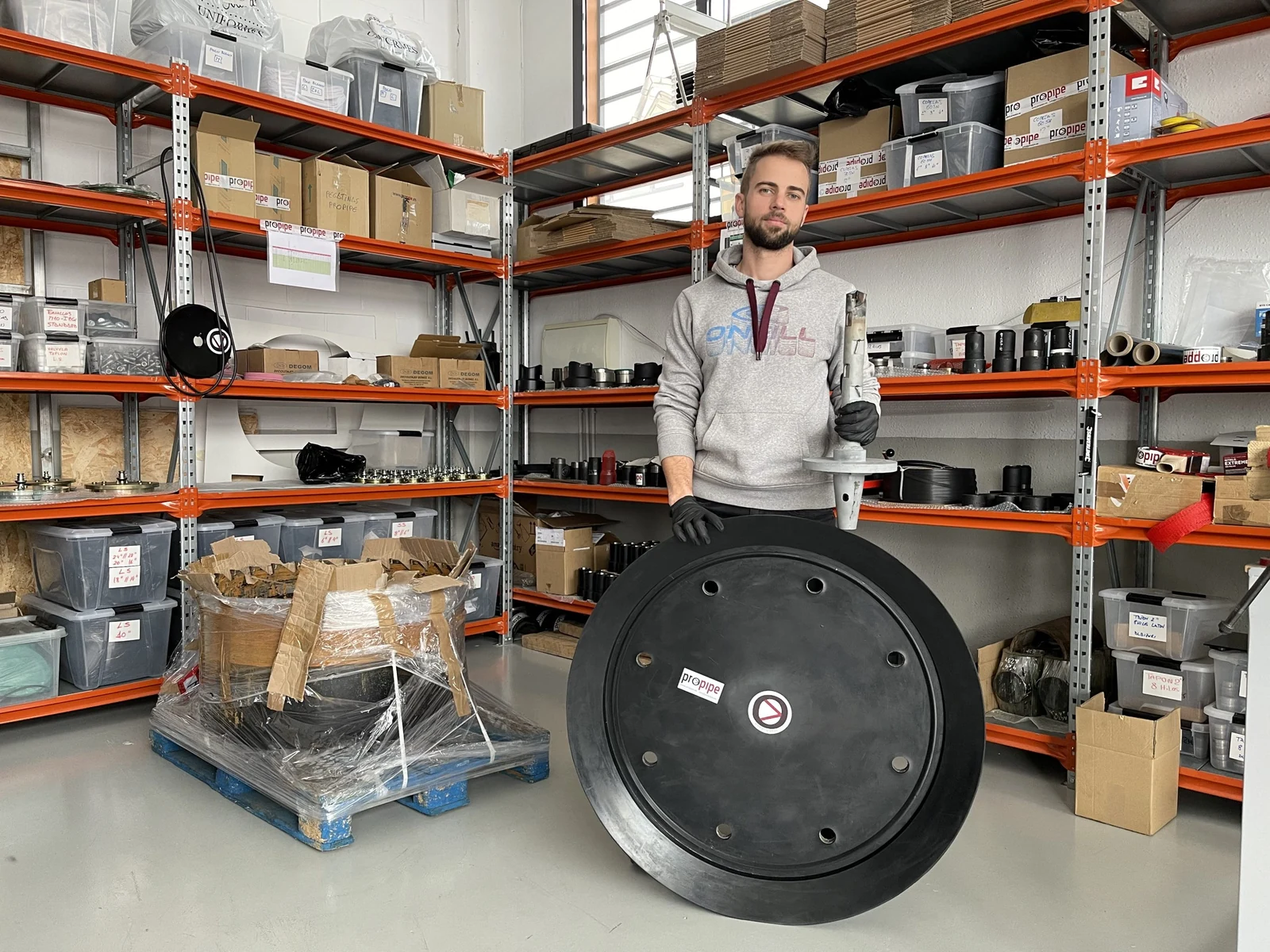
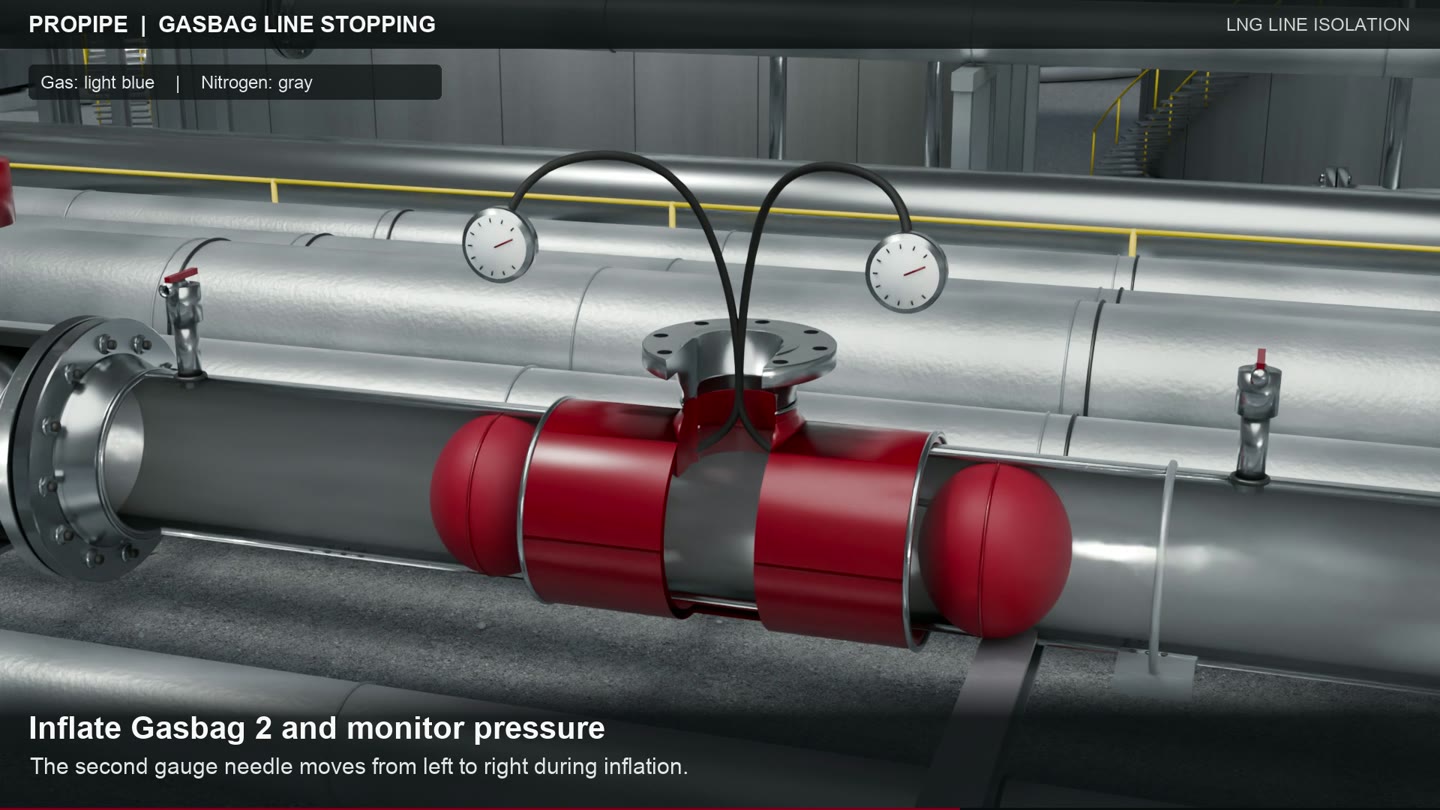
Further reading: The US EPA’s hot tapping overview includes temporary bypass connections among the applications. The photographs show Propipe equipment; they are not a diagram of a specific bypass installation.
Continue reading: Seven engineering questions before a hot tap or line stop. Photographs: Propipe website archive.